Soil Health · Sustainable Agriculture

JeevaDhara Krishi System

An Integrated Controlled Bio-Nutrient and Mechanized Soil Mixing Approach for Sustainable Agriculture

“Controlled Bio-Nutrition + Mechanized Soil Incorporation = Sustainable Soil Health”
Includes project observationsEarthwormsBio-nitrogenX1 mixing
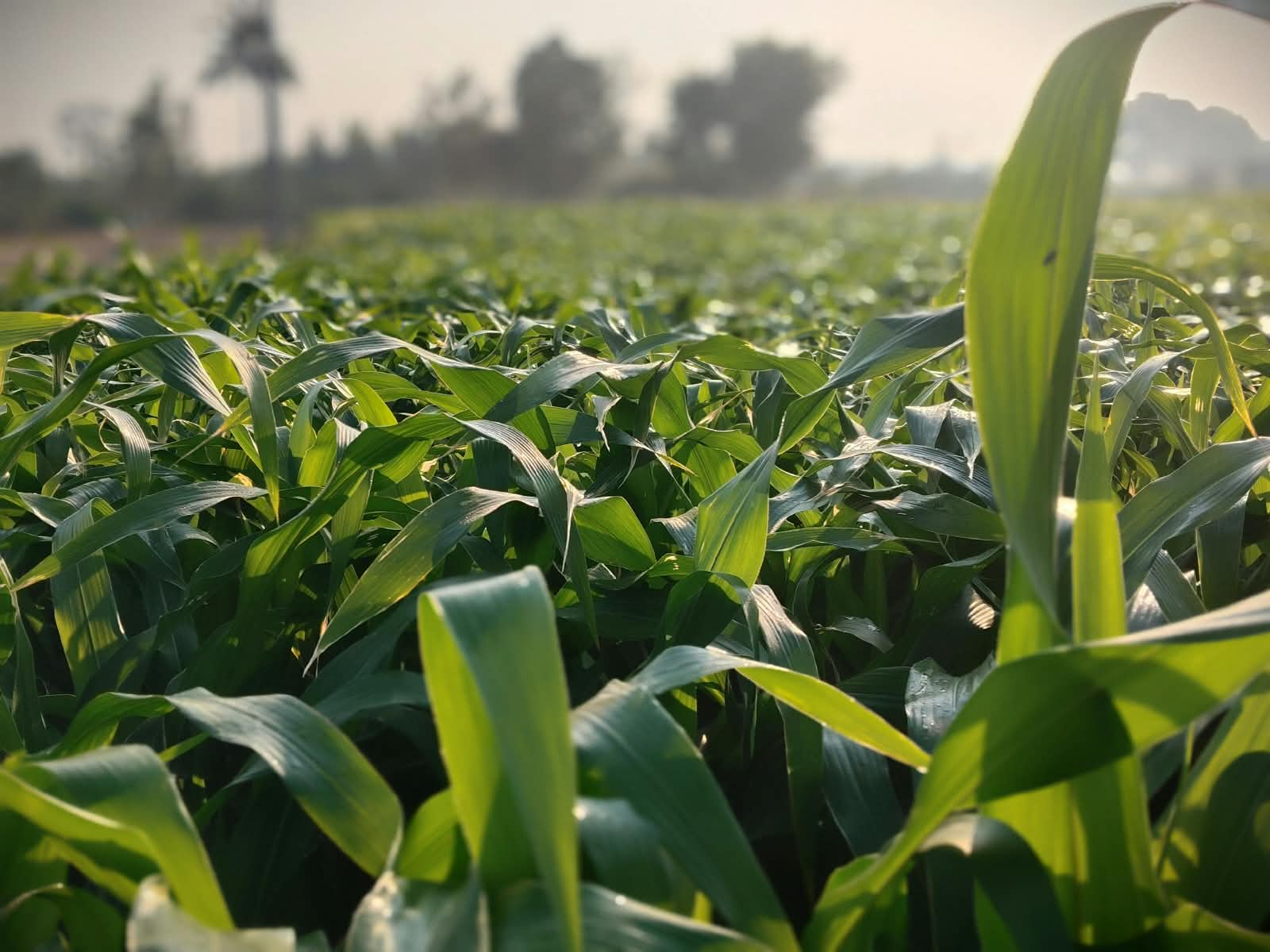
Healthy agricultural field representing sustainable soil
Soil comes aliveBio-nutrients + mechanized mixing
Overview

Feed the soil, not just the crop.

A sustainable model combining organic nutrient management, controlled bio-nitrogen inputs, soil biological activity and mechanized soil incorporation.

The problem

Overdependence on synthetic fertilizers

  • Soil degradation and acidification
  • Nutrient imbalance
  • Reduced soil biodiversity
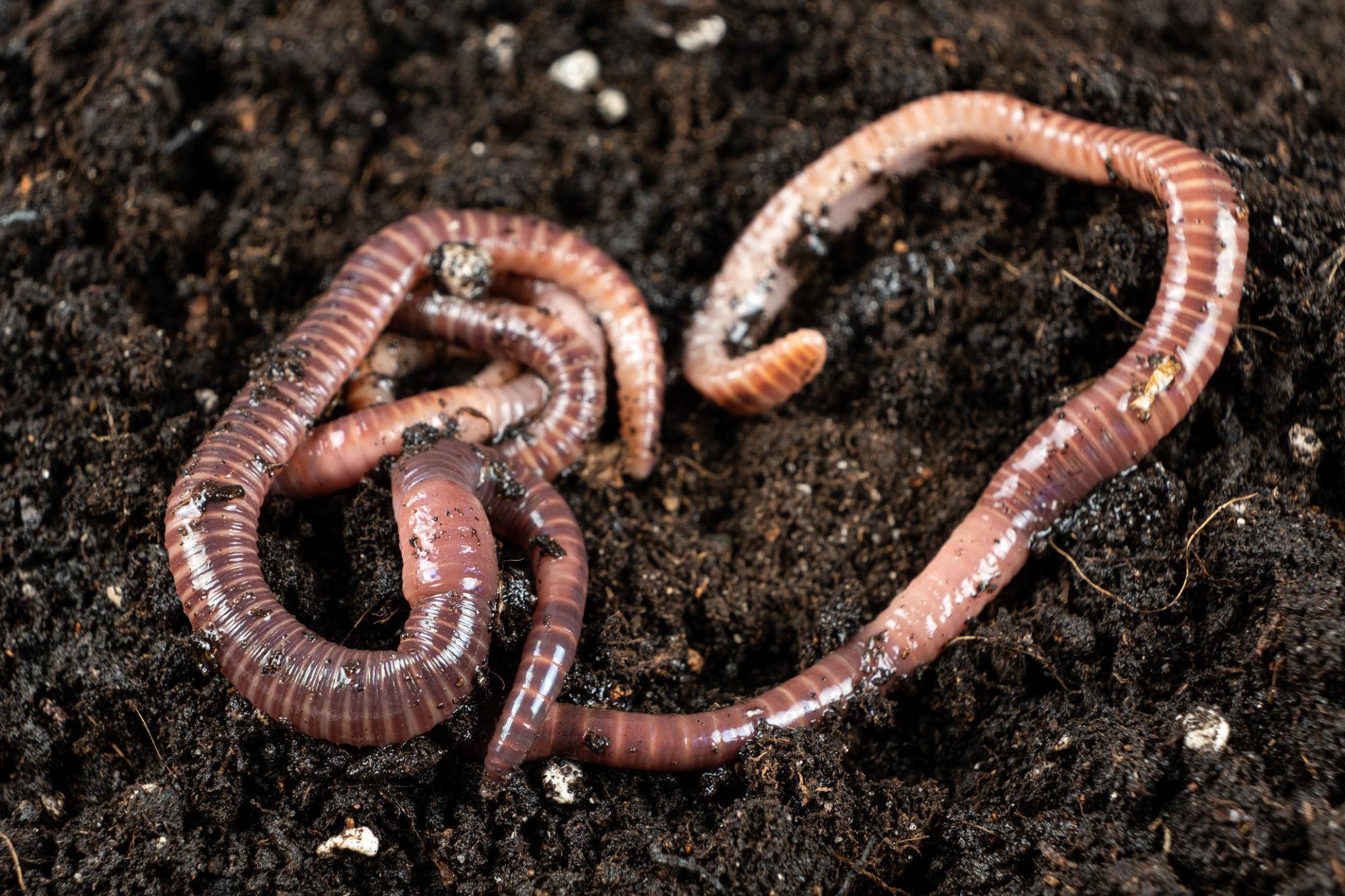
  • Decline in earthworm populations
  • High labour requirement for organic farming
  • Uneven nutrient distribution
The solution

A controlled bio-nutrient system + X1

Aged manure, compost, soil, cocopeat and diluted urine are prepared as a controlled bio-nutrient mixture, stabilized, then mixed into the soil using BhoomiShakti X1.

Objectives

  • Develop a controlled bio-nitrogen system
  • Improve soil biological activity and support earthworms
  • Enhance sustainable crop productivity
  • Reduce dependence on chemical fertilizers
  • Reduce manual soil mixing with BhoomiShakti X1
How JeevaDhara works — in simple terms

Prepare. Rest. Mix in.

“We prepare an organic nutrient mixture, allow it to stabilize, and then use BhoomiShakti X1 to mix it into the soil more efficiently.”

1 · Prepare

Mix manure, compost, soil and cocopeat, then add diluted urine slowly.

2 · Stabilize

Let the moist mixture rest for 24–48 hours.

3 · Mix into soil

BhoomiShakti X1 incorporates the mixture into the soil.

Complete system flow

From organic inputs to sustainable crops.

Tap a step, or let it play.

Organic materials

Manure · compost · soil · cocopeat

Diluted urine 1:8

Bio-nitrogen source

Controlled mixing

Moist consistency

Stabilization

24–48 hours

BhoomiShakti X1

Mechanized mixing

Biological activity

Soil life

Sustainable crops

Long-term

    Organic materialsManure + compost + soil + cocopeatDiluted urine 1:8Controlled mixing24–48 hour stabilizationBio-nutrient systemBhoomiShakti X1Mechanized soil mixingSoil incorporationBiological activitySustainable crop production
Bio-nutrient composition

The proposed mix.

Dry-material composition exactly as specified by the project, plus diluted urine at a 1:8 ratio.

100%dry materials
Aged manure50%
Compost25%
Soil15%
Cocopeat10%
Diluted urine1:8

Values are presented exactly as provided by the project. No additional ingredients or chemical concentrations are implied.

Preparation process

Five careful steps.

Mix dry materials

Step 01

Prepare solution

Step 02

Add gradually

Step 03

Keep it moist

Step 04

Stabilize

Step 05

Soil prepared with organic inputs
Scientific mechanism

How nitrogen becomes available — gradually.

The biological nitrogen transformation proposed by the project, explained simply.

NH₂–CO–NH₂

Urea

From urine, in the mixture

NH₄⁺

Ammonium

Urea converts to ammonium

NO₃⁻

Nitrate

Microorganisms transform ammonium

🌱

Plant availability

Compost helps stabilize and regulate release

Result: Controlled Nutrient Availability

Presented as the proposed mechanism described by the project, not as a universal scientific claim.

Innovation

Controlled Bio-Nitrogen System.

Turning a fast-release input into a bio-stabilized nutrient approach.

Direct / fast input

Rapid availability

Applied directlyNutrients available quickly
JeevaDhara approach

Gradual availability

Controlled preparationStabilizationGradual nutrient availability
Helps reduce nitrogen loss
Aims to reduce ammonia-related toxicity
Supports gradual nutrient release
Bio-stabilized nutrient approach

Curves are conceptual illustrations, not measured data.

BhoomiShakti X1 integration

Bio-nutrient + X1 = mechanized soil incorporation.

Manual mixing is time-consuming, labour-intensive and hard to distribute uniformly. X1 mixes the mixture into soil with rotary metal blades.

BhoomiShakti X1 moving across soil and mixing the bio-nutrient layer into it (conceptual animation) Bio-nutrient layer on the surface → rotary blades mix it into the soil

Bio-nutrient mix

Prepared & stabilized

Load / apply

On the field

X1 moves

Across the soil

Rotary blades mix

Soil + nutrients

Uniform incorporation

Result

Reduced labour

Less manual mixing.

Faster incorporation

60–70% time savings — Project-reported

Operational efficiency

Improved efficiency in the field.

Potential scalability

Potential use on larger farms.

BhoomiShakti X1 working the soil
Soil health

A living soil cross-section.

Roots, earthworms, microorganisms and moisture — the soil life JeevaDhara aims to support. Conceptual, not measured.

Conceptual soil cross-section with plant roots, earthworms, microorganisms, moisture and soil layers TopsoilSubsoilDeeper layer

Soil biological activity JeevaDhara aims to support (conceptual).

🌱 Plant roots🪱 Earthworms🦠 Soil microorganisms💧 Moisture🌍 Soil layers
Results & observations

What the project observed.

Reported observations from the project — not guaranteed outcomes. No sample sizes or statistics are claimed.

Earthworm population

  • Increased significantly within 4–8 weeks
  • Improved soil biological activity

Project observation

Crop productivity

  • Stable yield
  • Improved plant health
  • Better root development

Project observation

Soil health

  • Improved soil structure
  • Increased moisture retention
  • Enhanced microbial diversity

Project observation

Impact

For the environment, people and animals.

Environment

  • Reduced chemical pollution
  • Improved soil biodiversity
  • Lower greenhouse gas emissions
  • Reduced soil erosion

Humans

  • Reduced chemical exposure
  • Potentially safer food production

Animals

  • Better fodder quality
  • Reduced toxin intake

Important: the system may support healthier agricultural conditions, but it does not directly cure diseases. It is not a medical treatment.

Advantages

Why JeevaDhara.

Eco-friendly approach

Cost-effective potential

Improved soil fertility

Supports earthworm populations

Sustainable long-term approach

Mechanized implementation

Limitations & considerations

Honest about the trade-offs.

  • Slower than conventional chemical fertilizer application
  • Requires preparation time
  • Requires proper management
  • Requires controlled preparation and application
Future scope

Toward data-driven soil health.

Planned directions — not implemented yet.

See BhoomiShakti AI
Future Scope
  1. 01
    Improved nutrient monitoring
  2. 02
    Soil sensors
  3. 03
    Automated nutrient management
  4. 04
    IoT soil monitoring
  5. 05
    Data-driven soil health analysis
  6. 06
    Improved mechanization
  7. 07
    Automated soil incorporation
  8. 08
    Larger-scale field validation
  9. 09
    Integration with Agriculture Intelligence
  10. 10
    Integration with BhoomiShakti AI
Part of one ecosystem

Explore the other BhoomiShakti innovations

Each project covers a different layer of agriculture. Together they form one connected ecosystem.

BhoomiShakti

Healthy soil. Sustainable harvests.

Controlled bio-nutrition and mechanized soil incorporation for long-term soil health.